
Today is Veterans Day, and many families will thank the people who served. Behind some of those front doors, though, the service never quite ended. A partner still sits with his back to the wall in restaurants. A wife still jumps when a car door slams. Someone still wakes at three in the morning, heart pounding, and does not want to talk about why.
Trauma does not only come from war, of course. It can follow an assault, an accident, a violent childhood, a disaster, or a sudden loss. Whatever its source, PTSD in relationships rarely stays with one person. It moves into the bedroom, the kitchen, and the silences between two people who love each other. This article explains what that looks like, why it happens, and how couples can find their way back to each other.
What PTSD is, in plain words
Post-traumatic stress disorder is a condition in which the body and mind keep reacting as if a past danger were still present. That is why many therapists speak of trauma stored in the body, not only in memory. The National Institute of Mental Health groups its symptoms into four families:
- Re-experiencing: flashbacks, nightmares, and intrusive memories, often with a racing heart or sweating.
- Avoidance: staying away from places, people, thoughts, or feelings that recall the trauma.
- Arousal and reactivity: startling easily, feeling tense, sleeping poorly, and having angry outbursts.
- Cognition and mood: guilt, shame, blame, loss of interest, and feeling detached from others.
Only a qualified professional can diagnose PTSD, and this article does not replace that step. Still, knowing these four families can help you name what you see at home, instead of taking it personally.
How PTSD in relationships shows up at home
Each group of symptoms leaves its own footprint on a couple. Here is how the four families often translate into daily life.
Hypervigilance can feel like control. A partner who checks the locks twice, needs to know where everyone is, or cannot relax in crowds is often not trying to control you. Their nervous system simply scans for danger all the time. If that sounds familiar, the signs of hypervigilance may look painfully close to home.
Avoidance can feel like rejection. When your partner skips the family party, changes the subject, or refuses to watch certain films, you may hear I don’t want to be with you. More often, the message underneath is I can’t face what this stirs up in me.
Irritability can feel like hostility. A short fuse usually belongs to a body that is already running on high alert. That explains the anger, but it does not excuse cruelty or violence. Understanding a reaction and accepting mistreatment are two different things.
Numbness can feel like indifference. This last one often hurts the most. Many partners describe living next to someone who seems present in body and absent in heart. Emotional numbness is a way the mind turns down the volume on feelings that once felt unbearable. Unfortunately, it turns down love and joy as well.
What research says about PTSD in relationships
In a 2015 study, Adam LaMotte, Casey Taft, and colleagues asked 249 veterans and their partners about their relationships. Their findings showed that the more severe a veteran’s PTSD, the more their partners wished for change, especially in affection, emotional expression, and shared activities.
What stood out was this: among all the symptoms, emotional numbing alone predicted how much partners longed for more intimacy. In other words, the nightmares and the startle reflex mattered less to the relationship than the quiet distance.
That finding carries a hopeful side, too. Numbness is not a lack of love. It is a protective shutdown, and protective shutdowns can soften slowly when a person feels safe enough.
The partner’s side: loving someone who is still on guard
If you love someone with PTSD, your own feelings deserve room as well. You may feel lonely inside the relationship, or guilty for feeling lonely. You may walk on eggshells to avoid a trigger, cancel plans to keep the peace, and slowly shrink your life to fit around someone else’s fear.
Over time, this can wear anyone down. PTSD in relationships affects two people, even when only one of them lived through the trauma. Partners sometimes develop their own anxiety, sleep problems, or a kind of relationship burnout. None of this makes you selfish. It means you are human, and you are carrying a heavy load.
When I worked in counseling, I met a woman whose husband had come home from two deployments. She told me she had become an expert in his moods and a stranger to her own. For years, she had asked herself one question every morning: what kind of day will he have? Nobody had ever asked her what kind of day she needed. When she finally answered that question, she cried for a long time, and then she started to take care of herself again.
When the trauma came before you did
Sometimes the trauma happened long before the two of you met. Your partner may have grown up in a violent home, or survived an attack years ago, and only now, inside a close relationship, do the old alarms start ringing. This surprises many couples. Yet it makes sense: intimacy brings back the vulnerability that trauma once punished.
In these cases, PTSD in relationships can feel confusing for both people. The survivor may think I was fine before, so why now? Meanwhile, the partner may wonder whether they caused the change. Usually, neither is true. Closeness simply gives the old wound a place to speak. Recognizing that pattern can turn blame into curiosity, and curiosity is a much better place to start from.
Why safety comes before closeness
Trauma teaches the body that closeness can be dangerous, which is why PTSD and a fear of intimacy so often travel together. For that reason, a person with PTSD often cannot talk their way into intimacy. First, the body has to feel safe.
This is where the idea of the window of tolerance helps. Inside the window, a person can think, feel, and connect. Outside it, they either shoot up into panic and anger or sink down into numbness and shutdown. Much of the work in a couple, therefore, consists of helping each other stay inside that window more often.
Partners can do this through co-regulation: a calm voice, a steady presence, a hand offered rather than imposed. Two nervous systems influence each other. As a result, your calm can become a place where theirs can rest for a while.
Practical ways to handle PTSD in relationships together
No list replaces treatment. Even so, these habits help many couples.
- Learn the triggers together. Knowing how to heal emotional triggers starts with naming them. Sit down on a calm day and write a short list of sounds, places, dates, or situations that tend to set things off. Then plan small adjustments, like choosing a table facing the door.
- Agree on a pause signal. Pick a word or gesture that means I’m getting flooded, I need twenty minutes. After that, both of you promise to come back to the conversation.
- Ask before touching during hard moments. Touch can soothe, but a sudden hand on the shoulder can also startle. A simple can I hold you? keeps the choice with the person who is struggling.
The next three habits protect the relationship over the long run, not only in the hard moments.
- Keep small rituals of connection. A morning coffee together, a short walk after dinner, or a shared show can rebuild closeness without demanding big conversations.
- Protect your own life. Keep your friendships, hobbies, and rest. A partner who burns out cannot support anyone.
- Name the line. If anger ever turns into threats, intimidation, or violence, your safety comes first. Reach out to a domestic violence hotline or emergency services, and do not wait for things to improve on their own.
Above all, remember that PTSD in relationships responds best to real treatment. Encourage professional help, and consider it for yourself too. Trauma-focused therapies for PTSD have a solid evidence base, and some therapists work with couples specifically. The NIMH also notes that if symptoms last more than a few weeks, the person should see a professional. Reaching out is not a failure of love. On the contrary, it is one of its bravest forms.
Journaling prompts on PTSD in relationships
Choose the questions that fit your side of the story.
- When do I notice my body tensing up at home, and what usually happened just before?
- What does safety feel like for me, in my body, not only in my thoughts?
- Which of my partner’s reactions do I take personally, and what else could they mean?
- What have I stopped doing for myself since this began, and what could I take back this month?
- What small moment of connection did we share this week, even if it was brief?
Read your answers after a few days. You may notice that the relationship still holds more warmth than the hard days suggest.
Conclusion: love that learns the language of safety
PTSD in relationships can look like control, rejection, anger, or distance, but underneath it usually lies a body that has not yet learned the danger is over. Research suggests that emotional numbing, more than any other symptom, pulls partners apart. That is also why safety, patience, and co-regulation matter so much.
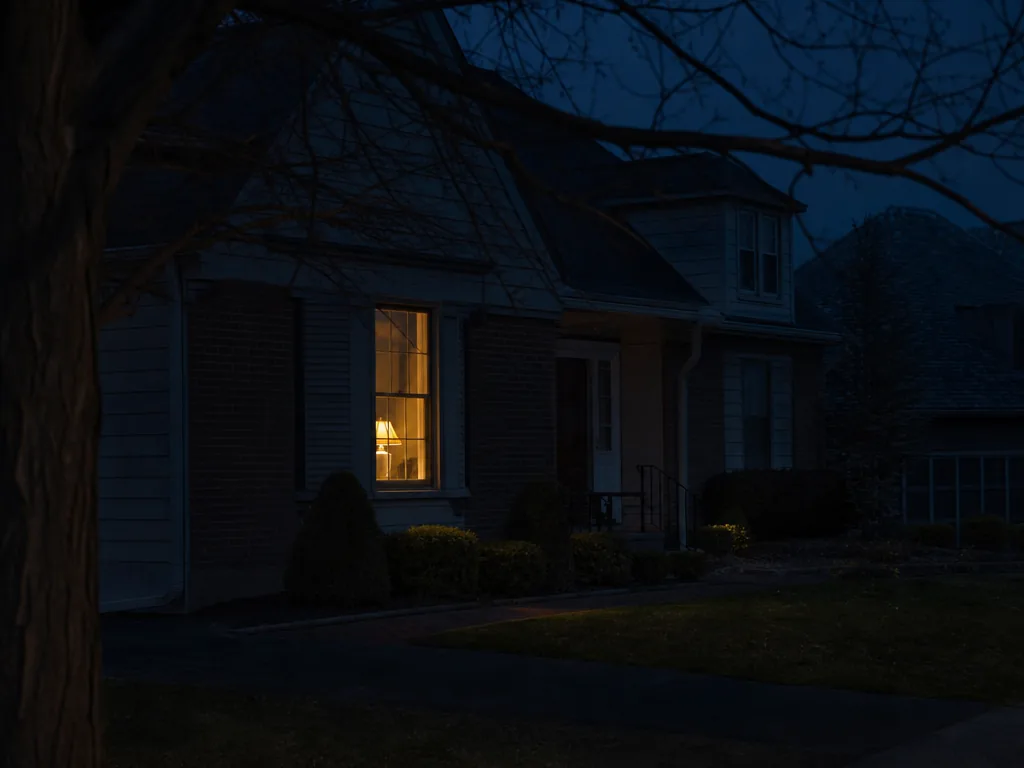
If you are the survivor, you are not broken, and your partner does not need you to be perfect. If you are the partner, your needs count as much as theirs. With support, many couples slowly rebuild trust, touch, and laughter. The watch does not have to last forever, and someday the light can go off because everyone inside finally feels safe.
Check out the author’s book here: Love and Relationship Workbook for Couples

Leave a Reply